 Ultimate guide
Historical Christmas Lore for Parents: A Family Guide
Last Updated: November 8, 2026
Quick Summary
Historical christmas lore for parents traces the gift-bringer from Saint Nicholas of Myra, a fourth-century bishop, through the Dutch Sinterklaas and the English Father Christmas to the American Santa Claus. Knowing these four threads lets you answer your child's questions about where stockings, secret gifts, and the red suit came from.
- Saint Nicholas was a bishop in Myra in the fourth century, remembered for giving gifts in secret.
- Dutch settlers brought Sinterklaas to North America, and the name softened into Santa Claus.
- Father Christmas is the older English figure tied to feasting, not gift-giving.
- Victorian writers and illustrators blended the English and American figures into the modern Santa.
- For ages three to six, keep explanations sensory and short, then let the story grow each year.
Table of Contents
- The Historical Christmas Lore Every Parent Should Know
- Father Christmas Origin: From Saint Nicholas to Sinterklaas
- Father Christmas or Santa Claus: Understanding the Difference
- Famous Christmas Folklore Stories to Share with Your Family
- Historical Christmas Lore for Kids: Age-Appropriate Explanations
- Practical Family Activities Based on Historical Christmas Customs
- Common Historical Misconceptions and How to Address Them
- Start Your Family's Christmas Lore Journey with Christopher Kringle
- Frequently Asked Questions
The Historical Christmas Lore Every Parent Should Know
Historical Christmas lore for parents is the body of legend, custom, and record that connects Saint Nicholas of Myra to the figure children hang stockings for today. At Christopher Kringle, we built our whole story around that chain, because knowing where a tradition came from changes how you tell it. Below, we'll walk the timeline from a fourth-century bishop to the red-suited visitor of modern family celebrations, then hand you the words to explain it at the kitchen table.
That merge is the real story, and it is far more interesting than a one-line answer.
The word Christmas lore covers four things families actually use: the saint, the Dutch gift-bringer, the English Father Christmas, and the American Santa. Keep those four threads separate in your head and every question your child asks becomes easy to answer.
Father Christmas Origin: From Saint Nicholas to Sinterklaas
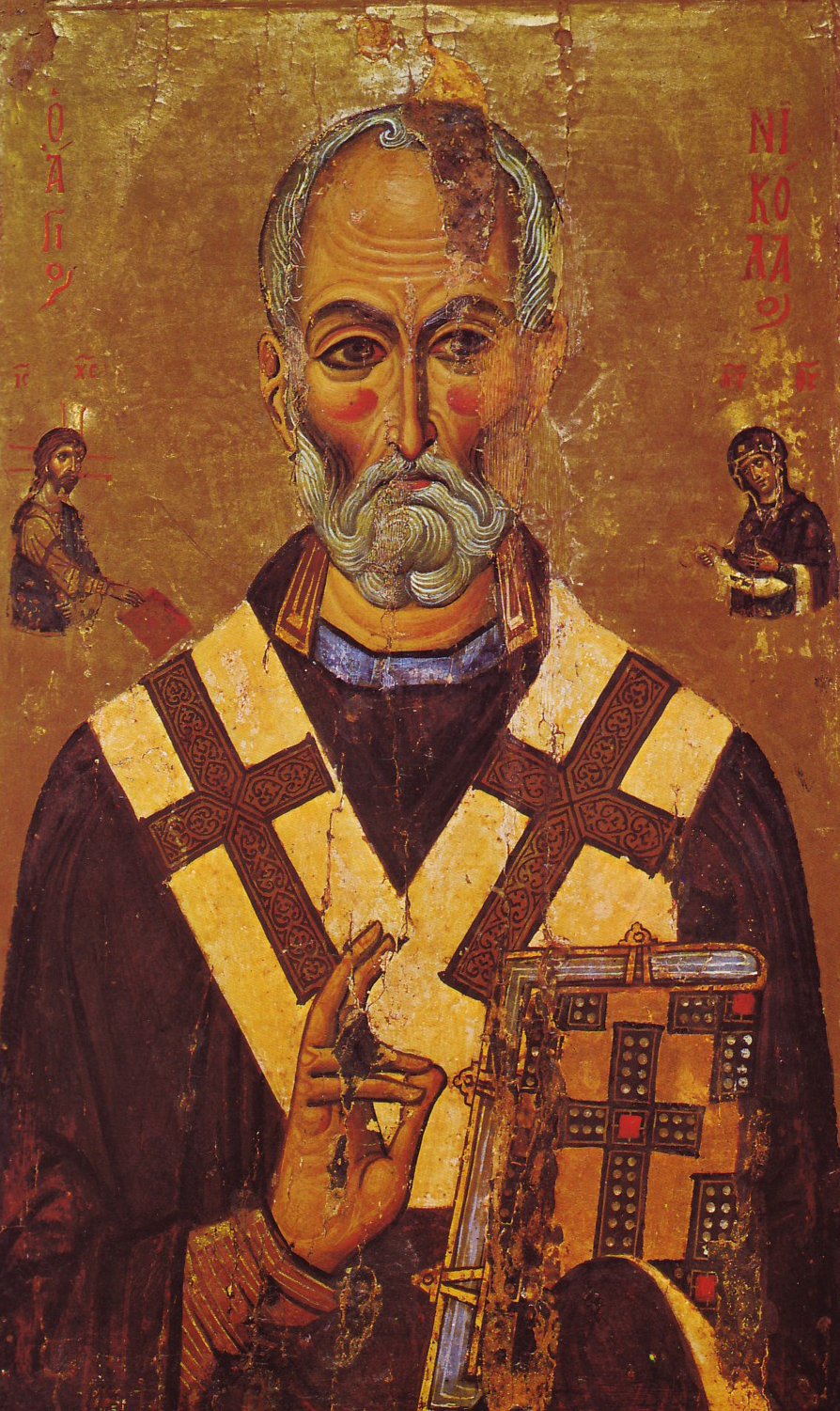
The Father Christmas origin story begins with Nicholas, a bishop in the city of Myra, in the fourth century.
That single image, gold in a stocking, is the seed of every Christmas Eve stocking in your house. The Encyclopaedia Britannica entry on Saint Nicholas traces how his feast day on December 6 became a gift-giving occasion across Europe, which is why Dutch and Belgian families still mark it separately from December 25.
Sinterklaas is the Dutch descendant of that bishop: a bearded figure in a bishop's robe who arrives by boat and leaves treats for children. When Dutch settlers carried the name to North America, it softened in English mouths into Santa Claus. Same root, different clothes.
Father Christmas or Santa Claus: Understanding the Difference
Father Christmas and Santa Claus are not the same character, and the difference is worth teaching. Father Christmas is the older English figure, tied to feasting and merry-making rather than gifts, while Santa Claus grew from the Dutch Sinterklaas tradition and became the gift-bringer children know today.
English Christmas customs once centred on food, drink, and community celebration. Church officials and local traditions kept December feasting alive through the medieval period, and the figure who presided over it was Father Christmas, sometimes called Captain Christmas. He was an adult's guest, not a child's.
Then the two traditions met. Victorian era writers and illustrators, working in a century that loved both sentiment and nostalgia, blended the English merry-maker with the American gift-giver, added red clothing, and produced the modern Santa. For a deeper look at the real man behind the myth, our article on the real history behind Saint Nicholas fills in the fourth-century detail.
So when your child asks whether Father Christmas and Santa are the same person, the honest answer is: they became one, and you can tell the story of how.
Famous Christmas Folklore Stories to Share with Your Family
Famous Christmas folklore stories work best when you tell them as stories, not facts. The gold in the stockings, the three poor sisters saved from hardship by secret gifts, the bishop who slipped through the night, these are legends with a real historical figure at the centre, and children remember them because they have a plot.
Pick two or three to keep in rotation:
- The gold through the window, and why stockings hang by the fire
- The three sisters, and how secret gift-giving became a virtue
- The bishop's long journey to Myra, and why generosity travelled with his name
- The night visit, and how December 25 became the night children wait for
Notice that every one of these is about giving without being seen. That is the moral spine of the whole tradition, and it is the part worth repeating every year.
Historical Christmas Lore for Kids: Age-Appropriate Explanations
Historical Christmas lore for kids needs one rule above all others: match the explanation to the question, not to the calendar. A four-year-old wants a name and a warm voice.
A useful frame is to separate three layers in your own head before you speak: what is documented (a bishop named Nicholas in fourth-century Myra), what is religious tradition (the secret gift-giving remembered by the church), and what is later folklore (the reindeer, the North Pole, the chimney). You do not have to label all three out loud every time, but knowing which layer a question belongs to keeps you from answering a folklore question with a history lecture, or a history question with a fairy tale.
For ages three to six, keep it sensory and short. "A kind man gave presents in secret a long, long time ago, and people told the story until it became Santa." That is enough.
For ages seven to nine, add the map. Show them Myra, then the Netherlands, then England, then America.
For ages ten to twelve, bring in the evidence question. Explain that we have records of a bishop named Nicholas and records of later customs, but not a diary of his life. That honesty builds trust rather than breaking it.
Watch out: the "is he real?" question rarely arrives on your schedule, and answering it with a flat yes or no can close the conversation.
Different families land in different places here, and that is worth naming to your child. Our Santa questions for kids page answers the family, reindeer, and North Pole questions at a child's level, which saves you improvising on the spot.
Practical Family Activities Based on Historical Christmas Customs
Practical family activities based on historical Christmas customs turn the lore into something your kids touch. The Dutch feast of Sinterklaas, the stocking, the secret gift, each one has a hands-on version you can run at home this December.
Try these:
- Secret gifting: each family member draws a name and leaves one small gift, unseen, on December 6. This mirrors the original legend directly.
- A stocking timeline: hang a stocking and have your child add one drawing a week showing a different stage of the story, from bishop to modern Santa.
- A family lore book: staple a few pages and let each child write or draw their favourite version of the tale.
For the printable side, our free Christmas downloads include Santa wish lists, Nice List certificates, thank-you letters, and complaint forms, all free for parents to print at home. Pair a wish list with the secret-gift activity and you have a full afternoon covered.
Common Historical Misconceptions and How to Address Them
The biggest misconception is that Santa was invented by advertisers. The red suit and the modern image were shaped in the Victorian era and later popularised in print and illustration, but the gift-giving bishop underneath is far older than any advertisement.
Here are the corrections worth having ready, with the evidence quality noted so you can be honest about how firm each one is:
| Misconception | What the evidence shows | How firm is it? | How to say it to a child |
|---|---|---|---|
| Santa is a modern invention | The figure descends from a fourth-century bishop | Documented core, legendary details | "The story is very, very old, and it changed clothes along the way" |
| Father Christmas is American | Father Christmas is an older English figure | Well documented in English custom | "England had its own Christmas guest before Santa arrived" |
| Puritans banned Christmas forever | The seventeenth century saw restrictions, later reversed | Documented, with local variation | "Some people tried to stop the party, and the party came back" |
| The red suit is ancient | Red clothing is a later, Victorian-era development | Well documented in print and illustration | "His coat got its colour fairly recently" |
| Pagan gods became Santa | Midwinter customs blended in, but the gift-bringer comes down the Christian line through Nicholas | Disputed and often overstated | "Some old winter customs mixed in, but the present-giver has a different root" |
That last row is where a lot of popular retellings go wrong. Midwinter feasting and greenery existed long before Christmas, and some customs blended into the celebrations, but the gift-bringer himself comes down the Christian line through Nicholas, not from a pagan god.
A second overreach is treating every detail of the Nicholas legends as biography. The gold through the window, the three poor sisters saved from hardship, the night visits, these are legends with a real historical figure at the centre, and they are worth telling as stories rather than as recorded events.
If your family enjoys testing claims, our Christmas Fact or Kringle Fiction trivia game turns these corrections into a game night, and it is free to play on christopherkringle.com alongside the other free games, downloadable music, YouTube videos, and printable coloring book pages for younger kids.
Start Your Family's Christmas Lore Journey with Christopher Kringle
Christopher Kringle's saga weaves real history and hidden societies into nine books, with music and videos that carry the story further. Everything on christopherkringle.com is free for parents: call Santa, email Santa, play the free trivia games, download the music, watch the YouTube videos, and print coloring book pages for younger kids. Start with one book or one game night and see whether your family connects before you go further.
For parents who want the practical side of the holidays alongside the story, our Parents & Families section covers holiday conversations and the Santa question in plain terms.
The challenge is simple: most families repeat the same two-sentence Santa story every December and never reach the fourth-century bishop underneath it. Christopher Kringle gives you the full narrative, from the nine-book saga to the free games, music, videos, and printable coloring pages that let a five-year-old and a twelve-year-old meet the same story at their own level. Get started with Christopher Kringle and give your family a Christmas story with real history behind it.
Frequently Asked Questions
What is the true backstory of Christmas?
The true backstory of Christmas blends religious observance with centuries of folklore. December 25 was not originally a Christian date but was adopted by church officials to celebrate the birth of Jesus, possibly to coincide with existing pagan winter festivals. Over time, traditions like feasting, merry-making, and gift-giving merged with the legend of Saint Nicholas, a fourth-century bishop known for secret gift-giving. This evolution created the rich historical Christmas lore we share today, connecting ancient customs to modern family celebrations.
What are some famous Christmas folklore stories for kids?
Famous Christmas folklore stories include the legend of Saint Nicholas dropping gold into stockings, the tale of Sinterklaas arriving by ship from Spain, and the Victorian-era Father Christmas bringing cheer and feasting. Other stories explain why we hang stockings and why Santa visits on Christmas Eve. For parents, these stories offer a gentle way to introduce historical Christmas lore for kids, helping them understand how traditions evolved while keeping the magic alive.
How did Saint Nicholas become Santa Claus?
Saint Nicholas, a bishop in fourth-century Myra, was known for secret gift-giving, including providing gold dowries to poor families. His legend spread across Europe, transforming into Sinterklaas in the Netherlands and Father Christmas in England. Dutch settlers brought Sinterklaas to America, where the name evolved into Santa Claus. Nineteenth-century writers and illustrators reshaped him into the red-clad, chimney-descending figure we know today, showing how historical Christmas lore adapts across cultures.
Where can I find free resources to explore Christmas lore with my family?
Christopher Kringle offers a wealth of free resources for parents and children. Visit christopherkringle.com to access free games like trivia, downloadable music, YouTube videos, and printable coloring book pages for younger kids. You can also call or email Santa, making it easy to blend historical Christmas lore for parents with interactive fun. These activities help families deepen their holiday traditions without any cost, making the magic of Christmas accessible to everyone.