 Ultimate guide
A Family Guide to Christmas History Curriculum for 2026
Last Updated: November 4, 2026
Quick Summary
A family christmas history curriculum is a themed unit study that teaches history, geography, and culture through the story of Christmas, built so children of different ages learn side by side. In 2026, plan four teaching weeks from November 30 through December 25, with the final week as a flex buffer.
- Tier the work, not the topic: younger kids draw and narrate while older kids research and present.
- In 2026, Thanksgiving falls on Thursday, November 26, so the four-week window starts the week of November 30.
- Reserve holiday library books in the first week of November before they circulate away.
- Choose four countries by mid-November and buy all project materials in one November trip.
- Compare curricula on historical grounding, age flexibility, prep time, format, and belief fit, not price alone.
Table of Contents
- What a Family Christmas History Curriculum Looks Like in 2026
- Where Did Santa Claus Come From? Tracing the Real History
- Christmas History Activities for Kids That Stick
- Building a Christmas Around the World Homeschool Curriculum
- Free Christmas Homeschool Resources for Budget-Friendly Planning
- Comparing Curriculum Options: What to Look For
- Planning Your 2026 Christmas Unit Study Step by Step
- Start Your Family's Story at Christopher Kringle
- Frequently Asked Questions
What a Family Christmas History Curriculum Looks Like in 2026
A family Christmas history curriculum is a themed unit study that teaches history, geography, and culture through the story of Christmas, built so children of different ages can learn side by side.

The 2026 version looks different from the holiday worksheets of a decade ago.
Below, we show you exactly how to build one around your own family, whether you have one child or four.
Why Multi-Age Learning Works for Holiday Studies
Multi-age learning works because holiday history rewards shared discovery, not age-graded tasks.
Family-style learning also solves the December time crunch. One unit study replaces four separate lesson plans, and older children naturally mentor younger siblings, which cements their own understanding.
The trick is tiering the work, not the topic. Everyone studies the same story; the output changes. Younger kids draw, narrate, and color; older kids research, write, and present.
Where Did Santa Claus Come From? Tracing the Real History
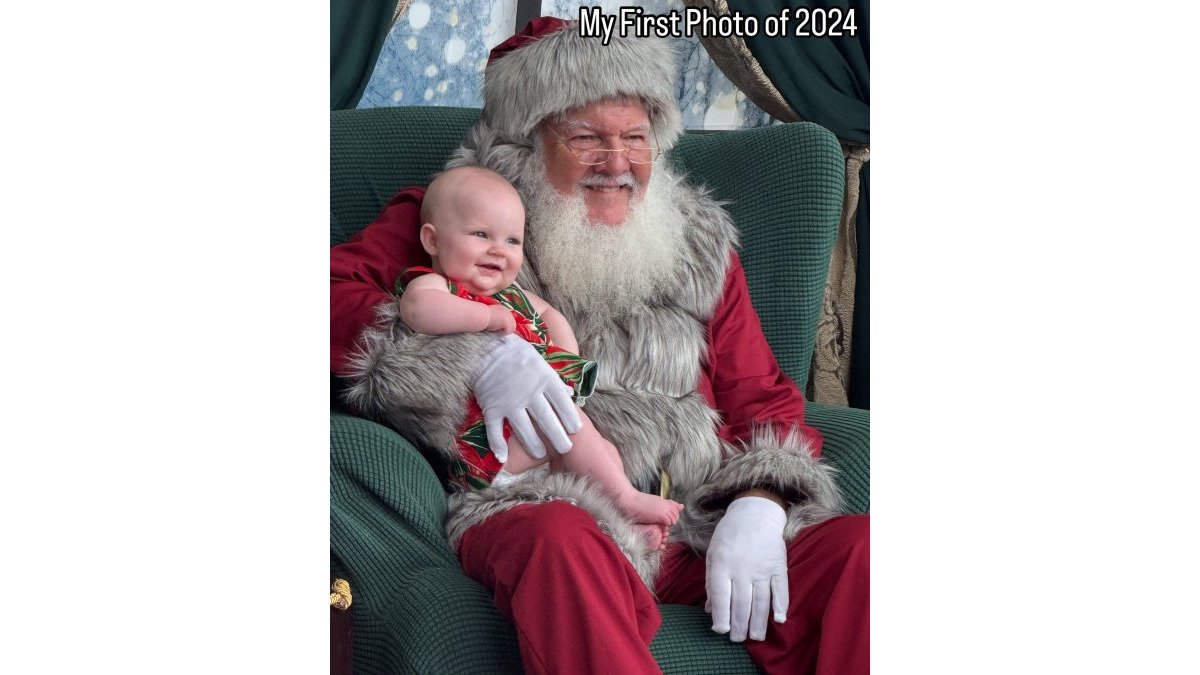
The story is richer than most families expect. Dutch settlers brought Sinterklaas to New Amsterdam. Nineteenth-century writers reshaped him into a sleigh-riding visitor.
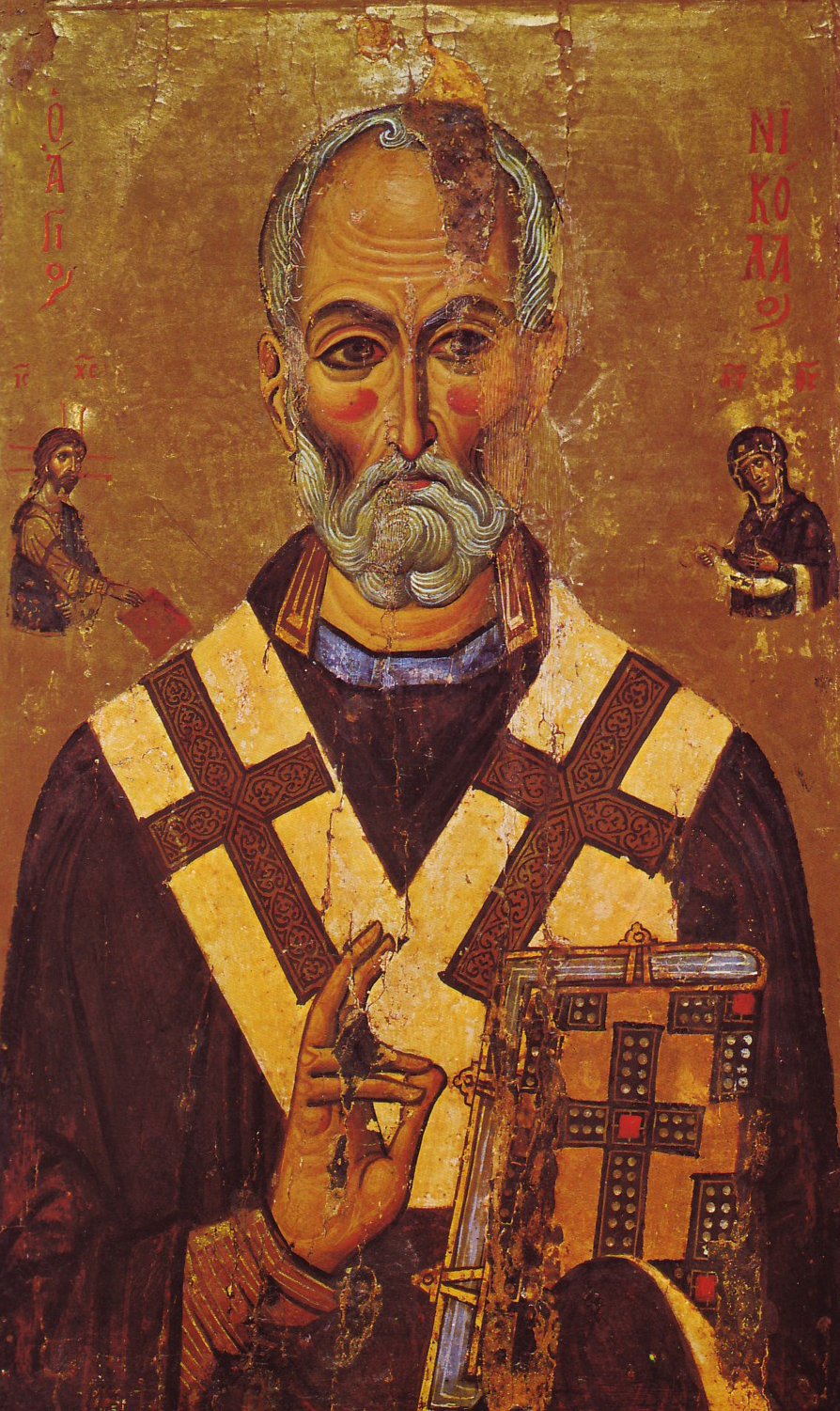
For a deeper look at the man behind the myth, our own history of Saint Nicholas walks through the primary sources and legends in plain language families can read together.
Watch out: skip the real history and you get a curriculum that feels like decoration.
Christmas History Activities for Kids That Stick
The activities that stick are the ones with a story attached. A child who builds a paper timeline of how Santa's legend traveled remembers the sequence far longer than one who fills in a worksheet.
A living timeline is one approach families can take. Each week, add one card: Saint Nicholas, Sinterklaas, the Victorian Christmas, your own family tradition. By mid-December you have a wall-sized history the whole family built.
Hands-On Crafts and Creative Projects
Crafts earn their place when they teach something. A few that do the work:
- Sock-and-orange Sinterklaas craft to introduce the gift-giving legend
- Hand-drawn world map marking where each tradition began
- Family recipe recreation tied to a specific country's Christmas table
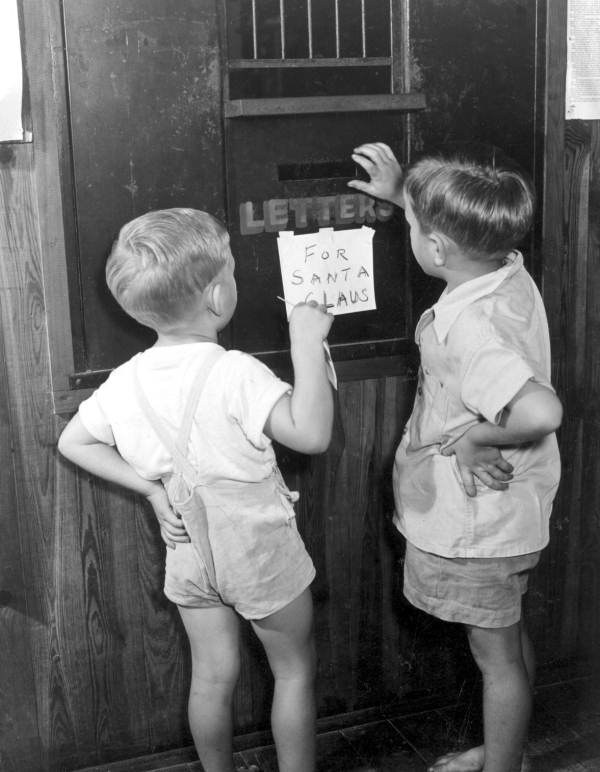
- Letter-writing station where kids draft a letter to Santa and compare it to historical gift requests
Keep the projects simple and repeatable. A craft that takes ten minutes and sparks a twenty-minute conversation beats an elaborate project that ends in tears.
Building a Christmas Around the World Homeschool Curriculum
A Christmas Around the World homeschool curriculum teaches geography and culture by following holiday traditions across the globe.
Pick countries with traditions you can actually show, not just describe. Each gives children a concrete anchor for a place on the map.
Pair the geography with a story. Our family picture book, How I Became Santa Claus, uses real history and photographs to carry the narrative, which gives the unit a shared read-aloud everyone can follow regardless of reading level.
The payoff is perspective. Children learn that Christmas is not one tradition but many, and that the figure at the center of it all traveled through centuries and cultures to reach them.
Free Christmas Homeschool Resources for Budget-Friendly Planning
You do not need a big budget to run a strong unit study.
Start with what is already free. Public-domain history texts and museum education pages give you real material, your local library supplies the living books, and printables cover the hands-on pieces.
We keep a growing set of free Christmas printables, including Santa wish lists, Nice List certificates, thank-you letters, and complaint forms, all free for parents.
Watch out: free resource lists can pull you into endless browsing. Set a limit of three sources per week and stop there.
Comparing Curriculum Options: What to Look For
Choosing a curriculum comes down to five things: historical accuracy, age flexibility, prep time, format, and whether it fits your family's beliefs. Everything else is packaging. The table below is the framework we use, and the notes after it explain how to actually apply each row.
| What to Compare | What to Look For | Why It Matters |
|---|---|---|
| Historical grounding | Names real sources and timelines | Keeps the unit educational, not decorative |
| Age flexibility | Tiered tasks for one topic | Makes multi-age learning workable |
| Prep time | Under 30 minutes per week | Keeps December realistic |
| Format | Digital, physical, or hybrid | Affects printing, storage, and reuse |
| Belief fit | Secular or faith-based clearly labeled | Matches your family's approach |
Historical grounding. A curriculum that names its sources, a bishop of Myra, a Dutch settlement, a Victorian writer, gives you a spine to build on.
Age flexibility. The test is whether the same topic produces different outputs for a six-year-old and a twelve-year-old.
Prep time. Prep time is the criterion families underestimate. A curriculum that needs an hour of setup each night will sit unused by the second week.
Belief fit. Secular families can teach the history and culture while leaving faith content optional.
Secular, Inclusive, and Special Needs Adaptations
For children with special needs, adapt the output rather than the content.
Inclusive planning also means checking whose traditions are represented. Add a country or custom from your own family or community, and the unit becomes personal rather than generic.
Watch out: the biggest comparison mistake is choosing on price alone. A cheap curriculum that needs an hour of nightly prep costs more in December than a pricier one you actually run.
Planning Your 2026 Christmas Unit Study Step by Step
The 2026 holiday season has a specific shape, and planning around it helps a unit study run smoothly rather than stall in week two.
Here is a 2026 roadmap, with each step tied to a concrete action and a date you can put on the calendar.
- Lock the calendar in October. Block four teaching weeks: November 30-December 4, December 7-11, December 14-18, and December 21-25 as a flex/catch-up week. Write these on a wall calendar so every family member sees the same rhythm.
- Reserve library books the first week of November. Holiday living books circulate quickly, so placing holds in early November helps your read-aloud spine stay on track. Aim for one anchor book per week plus two backup titles.
- Choose four countries by mid-November. Pick traditions you can physically show, not just describe: Germany (tree), Mexico (Las Posadas), Italy (Nativity scene), Sweden (Saint Lucia). One country per teaching week, one tradition per country, one hands-on project to close it out.
- Map projects to a single shopping trip. List every material for all four weeks on one page and buy it in one November trip. Families who shop week by week can end up needing an extra December store run.
- Schedule the read-aloud as the spine. One shared narrative, a picture book, a chapter book read aloud, or a family story, ties the four weeks together for every age. Put it at the same time each day so it becomes the unit's anchor habit.
- Protect the flex week. December 21-25 is for catch-up, not new content. Something always slips: a sick day, a field trip, a snow day. The flex week absorbs it without derailing the unit.
A week-by-week view of the 2026 plan looks like this:
- Week 1 (Nov 30-Dec 4): Saint Nicholas and the real history. Timeline card one. Read-aloud launch.
- Week 2 (Dec 7-11): Sinterklaas and the Dutch crossing to New Amsterdam. Timeline card two. Map work.
- Week 3 (Dec 14-18): Victorian Christmas and the American reshaping. Timeline card three. Craft tied to the era.
- Week 4 (Dec 21-25): Family tradition and the flex buffer. Timeline card four. Wrap-up conversation.
For the parenting side of the season, including how to handle Santa questions with honesty and warmth, our Parents & Families guide covers the conversations that come up mid-unit.
Watch out: the most common planning failure is over-scheduling week one.
One practical tip: write the plan down and post it where everyone can see it, so the unit keeps moving when December gets busy.
Start Your Family's Story at Christopher Kringle
The history is real, the traditions are rich, and the season is short.
Christopher Kringle offers a nine-book saga that blends real history with the magic of Christmas, along with a trivia game, music, videos, and coloring pages for younger children.
Test your family's knowledge with Christmas Fact or Kringle Fiction and see who really knows where Santa came from.
Visit christopherkringle.com to get started and explore everything the site offers for families.
Frequently Asked Questions
Where did Santa Claus come from?
The Santa story draws on several historical threads: a fourth-century bishop known for secret gift-giving, Dutch settlers who brought Sinterklaas traditions to North America, and nineteenth-century writers and illustrators who shaped the modern image. A good christmas history curriculum separates documented history from legend so children can see how traditions evolved. Families can explore this through living books, primary sources, and narrative storytelling that connects real places and people to the figure children recognize today.
How can families study Christmas history at home without a formal curriculum?
Start with one question, such as where a favorite tradition began, then build a short unit around it. Read a living book aloud, find the country of origin on a map, cook one related food, and let each child narrate what they learned. A Christmas history activities for kids approach like this takes two to three afternoons and needs no teacher's guide. Add free printables and short videos to round it out, and you have a complete study without spending anything.
What should a Christmas history curriculum include for multiple ages?
Look for read-aloud living books, map work, hands-on crafts, and a clear teacher's guide that flags which parts suit younger and older children. Multi-age learning works best when the whole family shares one narrative and each child responds at their own level, through coloring for a six-year-old or written narration for a ten-year-old. A thematic unit that ties history, geography, and art together keeps older kids engaged without separating everyone into different lessons.
Are there free Christmas homeschool resources for families on a budget?
Yes. Public libraries carry holiday living books and documentary DVDs at no cost, and many museums offer free digital downloads and primary source images. Christopher Kringle provides free games, trivia, downloadable music, YouTube videos, printable coloring book pages, and a way to call or email Santa at christopherkringle.com, all free for parents. Combine those with library loans and a DIY timeline, and a family can run a full Christmas unit study with minimal spending.
How long should a family Christmas history study take?
Most families run a Christmas unit study for two to four weeks in December, spending twenty to forty minutes a day on read-alouds and activities. A shorter one-week version works if you focus on a single topic, such as where Santa Claus came from. Older children can extend the study with independent research and writing, while younger ones join for crafts and stories. Keep the schedule flexible so the holiday itself stays enjoyable.
Can a Christmas history curriculum work for secular or special needs families?
Yes, with small adjustments. Secular families can focus on cultural and historical traditions around the world and skip religious content, since many unit studies label those sections clearly. For children with special needs, choose resources with audio options, large-print printables, and short lesson segments, and swap writing tasks for oral narration or drawing. A flexible thematic unit lets you adapt pace and format without losing the shared family experience.
The season moves fast, and the families who plan their unit study early are the ones who actually finish it. Christopher Kringle gives you the books, the trivia, the music, and the free printables to build a Christmas history curriculum your children will remember. Start with one week, add the read-aloud, and let the story carry the rest.