 How-to
Family Christmas Activities: How Much Time to Plan
Last Updated: November 17, 2026
Quick Summary
Plan 30 to 90 minutes per activity at home, and no more than one bigger project per day. Most family Christmas activities fall into three time bands: quick wins of 20 to 60 minutes, crafts and baking of 30 minutes to 3 hours, and outings that take a whole afternoon or evening.
- Include setup and cleanup in your estimate, or you will underestimate every activity by about a third.
- Toddlers hold attention for roughly 10 to 15 minutes, while preteens can focus for 45 to 60 minutes.
- Decorating the tree is the biggest hidden time sink at 1.5 to 2 hours total.
- Aim for 2 to 3 hours for a casual visit and add thirty minutes of buffer on each end.
- Keep one day completely free as a buffer so a sick child or snow day doesn't collapse the plan.
Table of Contents
- Why Timing Matters for Family Christmas Activities
- Christmas Activities for Families: Realistic Time Estimates
- Christmas Activities to Do at Home Without the Rush
- How Much Time for Family Christmas Activities at Home?
- Time Needed for Hosting or Visiting Family at Christmas
- Family Christmas Ideas Instead of Gifts: Time as the Present
- Build Your Family's Christmas Activity Schedule
- Frequently Asked Questions
Why Timing Matters for Family Christmas Activities
Most parents plan Christmas activities by making a list and hoping the days stretch far enough. Then December arrives, the calendar fills up, and half the list never happens. The problem usually isn't a lack of ideas.
Parents often feel stretched thin before the season even starts and ask the same question: can we realistically fit this in? Yes, if you match the activity to the time you have.
Below, we'll show you how long the most popular activities take, how to schedule them around real family life, and where to find free family Christmas fun that costs nothing but time.
Christmas Activities for Families: Realistic Time Estimates
Here's the short answer: most Christmas activities for families fall into three time bands. Quick wins take 20 to 60 minutes. Crafts and baking take 30 minutes to 3 hours. Big outings and hosting eat a whole afternoon or evening.
The estimates below assume one adult helping and include setup and cleanup. Skip those and you'll underestimate every activity by about a third.
Crafts and DIY Projects: 30 to 90 Minutes
Simple crafts like paper snowflakes, salt dough ornaments, or handmade cards run 30 to 45 minutes with young kids. More involved projects like gingerbread houses or DIY decorations stretch to 90 minutes once you add drying time.
- Paper snowflakes and cards: 30 to 45 minutes
- Salt dough ornaments: 45 minutes plus overnight drying
- Gingerbread house decorating: 60 to 90 minutes
- DIY wreaths or garlands: 60 to 90 minutes
A common mistake is starting a craft after dinner on a school night. Kids fade fast after 7pm, and a 90-minute project turns into a meltdown. Save longer crafts for weekends.
Holiday Baking and Cooking Together: 1 to 3 Hours
Cookie baking with kids takes 1 to 2 hours including mixing, chilling, cutting, and decorating. A full holiday meal where children help runs 2 to 3 hours from prep to cleanup.
Prep is the hidden time sink: measuring ingredients with a four-year-old takes three times as long as doing it alone. That's fine if you plan for it, bake on a day with nothing else scheduled.
Games and Indoor Fun: 20 to 60 Minutes
Board games, charades, and Christmas trivia fit neatly into 20 to 60 minutes. They're the best option for the gap between dinner and bedtime, or a rainy afternoon when plans fall through.
Looking for quick indoor fun that fills a short window? The free games on our website include Christmas trivia kids can play right away, no setup required.
Christmas Activities to Do at Home Without the Rush
The best Christmas activities to do at home are the ones you can start without a trip to the store.
Here is a realistic at-home time table that separates prep, activity, and cleanup so you can plan a window that actually fits.
| Activity | Setup | Active time | Cleanup | Total window |
|---|---|---|---|---|
| Movie night with hot cocoa | 10 min | 90 min-2 hrs | 10 min | 2-2.5 hrs |
| Reading Christmas stories together | 5 min | 20-30 min | 5 min | 30-40 min |
| Decorating the tree | 20 min (boxes, lights) | 60-90 min | 15 min | 1.5-2 hrs |
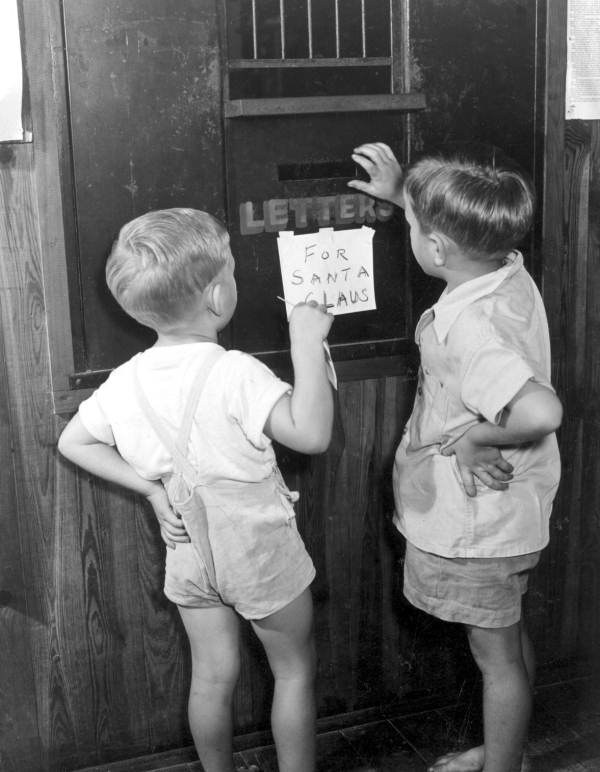
| Letters to Santa | 10 min (paper, pens) | 20-30 min | 5 min | 35-45 min |
| Christmas music singalong | 5 min | 30 min | 5 min | 40 min |
| Advent calendar moment | 2 min | 5-10 min | 2 min | 10-15 min |
| Cookie decorating (pre-baked) | 15 min (icing, sprinkles) | 45-60 min | 20 min | 1.5 hrs |
Cleanup
A few patterns stand out.
Advent calendar moments are the opposite: tiny on purpose.
Age changes these numbers more than most guides admit.
For low-energy nights, lean on the activities with the smallest setup and cleanup: stories, singalongs, and quick trivia. Parents planning crafts can grab free Christmas downloads to print and use right away.
Watch out: starting a 90-minute at-home project after 7pm on a school night is the most common way a fun plan turns into a meltdown.
How Much Time for Family Christmas Activities at Home?
The practical answer: plan 30 to 90 minutes per activity at home, and no more than one bigger project per day. How much time for family Christmas activities at home depends on your kids' ages, the setup involved, and whether cleanup counts as part of the fun.
Here's a simple planning rule we recommend. Pick one anchor activity per day, then fill the gaps with 20-minute options. An anchor is the craft, the baking, or the movie. The gaps are trivia, stories, or a quick game.
Matching Activity Length to Age and Attention Span
Toddlers hold attention for roughly 10 to 15 minutes per activity. Kids aged 5 to 8 manage 20 to 30 minutes. Preteens can focus for 45 to 60 minutes on something they chose themselves.
That means a 90-minute gingerbread project is a weekend activity for older kids, not a weeknight plan for a three-year-old. Split long projects into two sittings if you have younger children.
Parents of older kids often worry that family activities feel babyish. Our guide to family Christmas traditions for preteens has ideas built around that age group's attention span and sense of independence.
Time Needed for Hosting or Visiting Family at Christmas
The visit question trips up more families than any activity. A two-hour visit feels rushed to a grandparent and endless to a toddler.
Build buffer time into every visit, thirty minutes on each end covers late arrivals, coat chaos, and long goodbyes. Without buffer, one delayed visit knocks over the whole day.
Watch out: booking back-to-back visits on the same day is the fastest way to ruin Christmas for everyone in the car. One visit per day is the realistic limit for families with young children.
Family Christmas Ideas Instead of Gifts: Time as the Present
Family Christmas ideas instead of gifts work because time is the one present nobody returns. A coupon book of activities, a planned outing, or an afternoon baking together often means more than another toy.
Try this: give each child three "time coupons" redeemable for a movie night, a baking session, or a game afternoon with a parent. The gift costs nothing and the calendar does the rest.
For families who want to go deeper, our article on how to make Christmas more meaningful explores faith-centered activities, giving traditions, and ways to keep the season focused on people rather than presents.
Build Your Family's Christmas Activity Schedule
Building a schedule starts with counting your actual available hours, not your hopes. Block the days that are already full and see what's left. The families who feel calm in December aren't doing fewer activities, they're matching each activity to the time slot it actually fits.
Here is a simple method:
- Mark every fixed commitment: school events, work parties, travel days
- Count the open evenings and weekend blocks
- Assign one anchor activity to each open block
- Fill smaller gaps with 20-minute options like trivia or stories
- Leave one day completely free as a buffer
An anchor is the craft, the baking, or the movie; the gaps are trivia, stories, or a quick game. One anchor per day is the realistic limit for most families, and one visit per day for families with young children.
Ready-Made Plans by Available Time
Most guides give you a list of ideas and leave the scheduling to you.
15 minutes: Pick one quick moment. An advent calendar reveal, one short Christmas story, or a round of Christmas trivia. No setup, no cleanup, no negotiation.
One hour: Choose one simple craft or one game session. Paper snowflakes and cards fit in 30 to 45 minutes with cleanup.
One afternoon (3-4 hours): Pair one medium project with one low-effort activity. Bake and decorate cookies (1.5-2 hours), then watch a movie while they cool. Or decorate the tree (1.5-2 hours) and follow with stories. Build in a 30-minute buffer because afternoon plans expand.
A full day: One anchor outing plus one at-home activity, with travel and meals counted. A relative visit usually means a half day to a full day once travel is included.
| Available Time | Best Activity Type | Example |
|---|---|---|
| 15-20 minutes | Quick daily moment | Advent calendar, Christmas story, trivia |
| 30-60 minutes | Games or simple crafts | Charades, paper snowflakes |
| 1-3 hours | Baking or decorating | Cookie baking, tree decorating |
| Half day or more | Outings and visits | Family outing, relative visit |
Build in Buffers and Transitions
Every schedule fails at the seams, not in the middle. Thirty minutes on each end of a visit covers late arrivals, coat chaos, and long goodbyes. The same applies at home: a 10-minute warning before cleanup prevents the standoff that eats the next activity's time.
A common pattern is that parents schedule activities back-to-back and then blame the activities when the day falls apart. The fix is fewer anchors and more buffer, not more ideas.
Coordinate the Whole Family
Schedules break when one person's plan assumes another person's time. Before you commit, check who is driving, who is cooking, and who is supervising.
Parents finalizing their plans can find more free resources in the Parents Section of christopherkringle.com. Everything there is free for parents, including printable coloring book pages for younger kids and downloadable Christmas music.
Watch out: a schedule with no free day is not a schedule, it is a wish list. Keep one buffer day open so a sick child or a snow day doesn't collapse the whole plan.
Frequently Asked Questions
How much time should you set aside for family Christmas activities?
Aim for 45 to 90 minutes per activity for most families with children aged 3 to 12. Crafts usually take 30 to 90 minutes including setup and cleanup, baking runs 1 to 3 hours, and games fit into 20 to 60 minutes. Build in buffer time for younger children, who lose focus sooner. A realistic weekly plan might include two short activities on weeknights and one longer session on the weekend. Christopher Kringle offers free games, trivia, and printable coloring pages at christopherkringle.com that fit neatly into a 20-minute slot.
How do you split time between families at Christmas?
Many families alternate years or split the day into blocks, such as a morning visit with one side and an afternoon meal with the other. Be upfront about travel time and how long you can stay, and keep visits to two to three hours when young children are involved. If both sides live nearby, a shorter stop at each house often works better than one long day. Planning the schedule in advance reduces stress and lets everyone enjoy the family Christmas activities without watching the clock.
What are some Christmas activities to do at home that do not take all day?
Short options include decorating a small tree or a few cookies, reading a Christmas story aloud, watching a holiday movie, or playing a 20-minute game. Printable coloring pages and trivia from christopherkringle.com are free and need no preparation beyond a printer. Baking a simple batch of cookies takes about an hour from start to cleanup. Choose one or two short activities rather than cramming several into one evening, and let children help with setup so the time feels shared.
How do you plan Christmas activities for different ages?
Match the activity to attention span. Children aged 3 to 5 do best with 15 to 20 minute activities, ages 6 to 8 can handle 30 to 45 minutes, and ages 9 to 12 often stay engaged for an hour or more. Older children can take on roles such as reading instructions or leading a game, which keeps them involved when younger siblings need simpler tasks. Set a timer and stop while everyone is still enjoying it, then plan the next activity for another day.