 how-to
How to Make Christmas More Meaningful in 2026
Table of Contents
- Why Christmas Feels Empty (and What Actually Fills It)
- Meaningful Christmas Traditions That Stick
- Meaningful Christmas Activities for Kids
- How to Make Christmas Less Commercial
- Low-Stress Christmas Ideas for Real Families
- When Christmas Is Hard: Grief, Distance, and Conflict
- Conclusion
- Frequently Asked Questions
Last Updated: October 7, 2026
Why Christmas Feels Empty (and What Actually Fills It)
Many parents describe the same letdown each December: the gifts are opened by mid-morning, and by evening the house feels flat, which is why so many of them ask how to make Christmas more meaningful. Learning how to make Christmas more meaningful starts with one shift.
The pressure is real. Holiday marketing pushes harder every year, and calendars fill up fast. Yet the moments families remember are rarely the expensive ones. They remember the candlelit story, the cookie dough on the counter, the car ride to see lights.
That is the throughline of this guide. Christmas does not need more stuff. It needs more of you.
Meaningful Christmas Traditions That Stick
Strong traditions share three traits. They are simple, repeatable, and tied to a feeling rather than a purchase. A tradition you can set up in ten minutes will outlast an elaborate plan you dread.
Below, we cover how to pick traditions your family will actually keep.
Traditions You Can Start This Year
Pick one or two from this list. Do not attempt all of them in a single season:
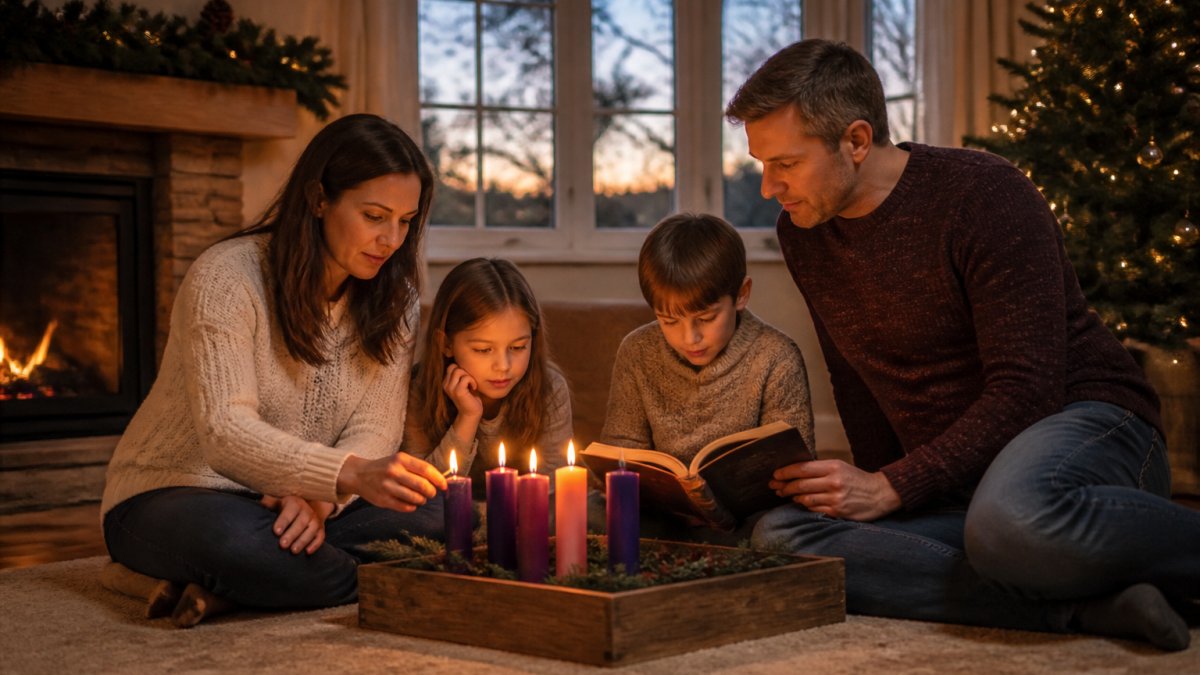
- Light an Advent candle each Sunday and read one short story
- Watch the same holiday movie on the same night every year
- Bake one recipe together, even if it turns out badly
- Drive around to see neighborhood lights in pajamas
- Write a letter to Santa as a family, then save the replies
- Set up the tree together with music and cocoa
- Read the nativity story aloud on Christmas Eve
- Do one act of service as a family in December
How to Choose and Sustain New Traditions
Choosing well matters more than choosing many. Use this simple filter:
| Question | If Yes | If No |
|---|---|---|
| Can we do this in under an hour? | Keep it | Simplify it |
| Does it cost little or nothing? | Keep it | Rework it |
| Does everyone take part? | Keep it | Adjust the roles |
| Would we miss it next year? | Make it annual | Let it go |
The last row is the real test. If nobody would notice its absence, it is not a tradition yet. It is just an activity.
Meaningful Christmas Activities for Kids
Children connect to the season through doing, not watching. The best meaningful Christmas activities for kids let them build, make, and give. That is where the wonder lives. But the same activity lands differently at age 4 and age 14, and it lands differently again for a child with sensory needs or limited mobility. This section adapts the classics so they actually work in real households.
Core Activities, Adapted by Age
Countdown calendars.
- Ages 3-6: paper pockets with a small sticker or note each day.
- Ages 7-10: let them build the calendar and write the notes.
- Ages 11+: they run the countdown for younger siblings. Responsibility keeps teens engaged.
Nativity play.
- Ages 3-6: simple costumes, one line each, perform for grandparents.
- Ages 7-10: let them cast the roles and direct.
- Ages 11+: they write the script or film it. A phone camera and a living room is enough.
Ornament making.
- Ages 3-6: paint, glue, and bake, accept the mess.
- Ages 7-10: date each ornament and hang it on a dedicated family branch.
- Ages 11+: try a harder craft, wood burning, embroidery, or clay. Skill-building keeps older kids interested.
Kindness jar.
- Every kind act earns a slip of paper. Read them aloud on Christmas Eve. Works from age 4 up.
Story time.
- One chapter a night from a longer holiday tale. For younger kids, picture books work. For teens, try a holiday mystery or a classic like A Christmas Carol read aloud.
Adapting for Disability, Sensory Needs, and Limited Mobility
A meaningful activity is one a child can actually do. A few adjustments:
- Sensory-sensitive kids. Warn ahead about noise, crowds, and flashing lights. Offer a quiet room at gatherings. Skip surprise elements if surprises cause distress.
- Limited mobility. Bring the activity to the table. Seated crafts, cookie decorating at a low table, and drive-through light displays all work.
- Non-speaking or minimally verbal kids. Use picture cards, choice boards, or simple yes/no questions during story time and the nativity play.
- Vision or hearing differences. Add tactile ornaments, audio-described movies, and captioned holiday films.
Making It Stick Year After Year
The activities that last are the ones with a fixed slot. Pick a night, say, the first Friday of December, and put it on the calendar before anything else. Rotate who leads each activity so no one person carries the load. Keep a small box of supplies labeled for each tradition so setup takes minutes, not an afternoon. And write down one sentence about how it went, so next year you remember what worked.
How to Make Christmas Less Commercial
Learning how to make Christmas less commercial is simpler than it sounds. Change the ratio, not the whole holiday. Fewer presents, more presence, and a clear plan before the sales start.
Practical Swaps That Reduce Gift Pressure
Small swaps add up fast:
- Want, need, wear, read. Limit gifts to four categories per child.
- Secret Santa. Draw names among adults instead of buying for everyone.
- Experience gifts. Give a trip, a class, or a day out instead of a box.
- Handmade rule. One gift per person must be made, not bought.
- Give-away box. Each child donates one toy before new ones arrive.
Set a family gift budget in November, before the ads take over. A written number ends the December arguments.
Low-Stress Christmas Ideas for Real Families
Low-stress Christmas ideas work because they lower the bar on purpose. A calm holiday beats a perfect one every time. But "just say no" advice only helps if you have a system for deciding what to cut. Here is a simple one.
The Three-Bucket Sort
Before December starts, write every holiday obligation on a sticky note. Then sort each one into three buckets:
- Keep. These are the two or three things your family would genuinely miss. Protect them on the calendar first.
- Shrink. These matter, but not at full size. A 40-person open house becomes a 10-person soup night. A five-course meal becomes a potluck.
- Drop. These exist because of habit, guilt, or someone else's expectation. Let them go this year and see if anyone notices.
Most families find that 60 to 70 percent of their December stress comes from the Drop bucket. Naming it out loud is the hard part. Doing it is the relief.
A Realistic December Calendar
Try blocking the month in three tiers:
- Anchor days. Two or three non-negotiable events (Christmas Eve service, one family dinner, one tradition your kids would mourn).
- Flex days. One or two optional gatherings you can attend without guilt if you skip.
- White space. At least one full weekend with nothing scheduled. This is not laziness. It is where spontaneous moments actually happen.
Low-Cost and No-Cost Swaps
Meaningful does not mean expensive. A few swaps that cost nothing:
- Potluck instead of hosting. You provide the space and the drinks; guests bring the food.
- Cookie exchange instead of baking twelve kinds. Each family bakes one recipe in bulk and trades.
- Homemade gifts with a theme. Jams, spice mixes, or photo books cost a few dollars each and often outlast store-bought items.
- Free community events. Tree lightings, library story hours, and church concerts are usually free and often more memorable than paid attractions.
- Experience coupons. Instead of a wrapped gift, give a handwritten coupon for a one-on-one outing in January, when the calendar is empty.
Adapting Ideas to Your Household
A low-stress plan looks different depending on who is at the table:
- Toddlers and preschoolers. Shorten everything. A 15-minute activity beats a 90-minute one. Nap schedules win.
- Teens. Give them a job with real responsibility, running the music, filming the day, planning the movie night. Ownership beats entertainment.
- Older adults and relatives with limited mobility. Bring the tradition to them. A car ride to see lights, a video call during the cookie bake, or a seated craft works just as well as a standing event.
- Sensory-sensitive family members. Warn ahead about noise, crowds, and lights. Offer a quiet room at gatherings. Skip the surprise element if surprises cause distress.
- Blended, single-parent, or long-distance families. Split the day, share the video call, or celebrate on a different date. The date on the calendar is not the point. The people are.
When Christmas Is Hard: Grief, Distance, and Conflict
Not every family feels festive, and that is worth naming. Grief, distance, and conflict do not pause for December. If this season is heavy, you are not doing it wrong.
A few gentle approaches help:
- Keep one small tradition and let the rest go
- Light a candle for someone you miss
- Volunteer, which often eases loneliness
- Set a time limit on gatherings that feel tense
- Reach out to one person who is also alone
For blended, single-parent, or long-distance families, flexibility matters. Split the day, share the video call, or celebrate on a different date. The date on the calendar is not the point. The people are.
Conclusion
The season asks a lot of families, and the pressure to do more rarely delivers more joy. Christopher Kringle offers an immersive fantasy saga that weaves together real history, hidden societies, and the timeless magic of Christmas. Through a collection of nine books, music, and interactive digital content, the platform invites families to explore the true origins of Santa Claus. It serves as a comprehensive resource for those seeking to deepen their connection to the holiday spirit while engaging with unique storytelling and educational materials. Sign in with Christopher Kringle and give your family a Christmas worth remembering.
Frequently Asked Questions
What are simple ways to make Christmas more meaningful at home?
Start with one ritual you can repeat every year: an Advent candle lit at dinner, a nightly story read aloud, or a jar where each family member drops a note about something they're grateful for. The key is consistency, not complexity. A single weekly tradition that everyone expects and enjoys will do more for a meaningful Christmas than a packed calendar of one-off events.
How can families create meaningful Christmas traditions without spending much money?
Focus on time and repetition rather than purchases. A Christmas camp-out under the tree, a holiday movie night with homemade snacks, or a family walk to look at neighbourhood lights all cost nothing and build strong memories. You can also make ornaments together from paper, salt dough, or old photos. The traditions children remember most are usually the ones that happened every year, not the ones that cost the most.
How do I make Christmas less commercial for my kids?
Try a wants-versus-needs conversation before gift lists are written, then agree on a set number of presents per child. Replace one gift with an experience: a day out, a cooking project, or a volunteering trip. You can also introduce a giving tradition, such as each child choosing a charity or a neighbour to help. When kids participate in giving, the receiving side naturally becomes less central.
What can I do when Christmas feels hard because of grief or family conflict?
Lower the bar deliberately. Choose one or two activities that feel manageable and let the rest go. If you're grieving, a small candle-lighting ritual or writing a letter to the person you miss can hold space for the loss without demanding cheerfulness. If family conflict is present, plan shorter visits, agree on topics to avoid, and build in time to step away. A meaningful Christmas can be quiet and imperfect.