 blog
Educational Christmas Activities for Families
Table of Contents
- Why Educational Christmas Activities Matter for Families
- Christmas History for Kids: Stories Behind the Traditions
- Christmas STEM Activities for Families: Learning Through Play
- Christmas Family Traditions That Build Learning and Connection
- Age-by-Age Guide: Educational Christmas Activities for All Ages
- Making Christmas Meaningful: Screen-Free and Sensory-Friendly Ideas
- Conclusion: Creating Holiday Memories That Last
- Frequently Asked Questions
Last Updated: October 14, 2026
Why Educational Christmas Activities Matter for Families
Educational Christmas activities are holiday projects and games that teach real skills, history, or values while kids are having fun. They turn the festive season into a classroom without anyone noticing.
The best part is the togetherness. Families who bake, build, and read side by side make memories that stick long after the tinsel comes down.
This guide covers history, science, kindness projects, and screen-free ideas for every age.
Christmas History for Kids: Stories Behind the Traditions
Christmas history for kids works best as storytelling, not a lecture. Children remember the tale of a real person or place far better than a list of dates. So start with the story, then let them ask questions.
The Real Origins of Santa Claus
Santa Claus grew from the legend of Saint Nicholas, a real bishop known for secret gift-giving.
That blend is the fun part. Your kids can trace how one kind man's story traveled across countries and centuries.
For a deeper dive into the full saga, our history of Saint Nicholas and Christmas traditions coverage pairs well with a family reading night.
How Christmas Traditions Started
Most holiday traditions started as practical or symbolic acts that grew into ritual:
- Evergreen trees honored life during dark winter months
- Candles and lights stood for hope and warmth
- Gift-giving echoed the gifts of the Magi
Pick one tradition each night and let your kids guess its origin before you reveal it. That guessing game is where the learning sticks.
Christmas STEM Activities for Families: Learning Through Play
Christmas STEM activities for families turn the kitchen table into a lab. These projects use holiday items you already own, and each one teaches a real science or math idea.

Try these:
- Secret kindness missions: each family member draws a name and does one anonymous good deed daily
- Thank-you notes to teachers, mail carriers, or neighbors
- Toy or book sort to donate gently used items
- Cookie delivery to a lonely neighbor
After each act, ask one question: "How do you think that made them feel?" That single question turns a chore into a values lesson.
The American Psychological Association on gratitude and well-being notes that practicing gratitude supports emotional health, which makes this a gift to your kids too.
Christmas Family Traditions That Build Learning and Connection
Christmas family traditions do double duty when you add a small learning twist. The ritual stays cozy, and the brain stays busy. The trick is to keep prep low and let the tradition carry the lesson, so you are not hunting for craft store supplies on December 20.
Advent Calendar Activities with a Learning Twist
An Advent calendar can hold more than candy. Slip a tiny task or fact behind each door. Here is a ready-to-use four-week rotation that works with a paper chain, a felt pocket calendar, or a simple envelope taped to the fridge:
- Week 1, Words and languages: Learn one word for "peace" or "joy" in another language each night (Spanish paz, German Friede, Japanese heiwa). Kids practice pronunciation and map the country.
- Week 2, Reading and story: Read one page of a Christmas story aloud, then ask your child to predict what happens next. Prediction is a core reading comprehension skill.
- Week 3, Art and observation: Draw a favorite tradition, or sketch an ornament from three angles. Drawing from observation builds visual-spatial thinking.
- Week 4, Kindness and reflection: Do one kind act, then name one thing you are thankful for. Gratitude naming has a calming effect on the whole household.
By Christmas Eve, you have built a month of small lessons without a single worksheet. If you want a printable version, christopherkringle.com offers free coloring pages and downloadable music that slot neatly into any Advent pocket, no purchase, no sign-up wall for the free items.
Letter to Santa and Santa Scavenger Hunt
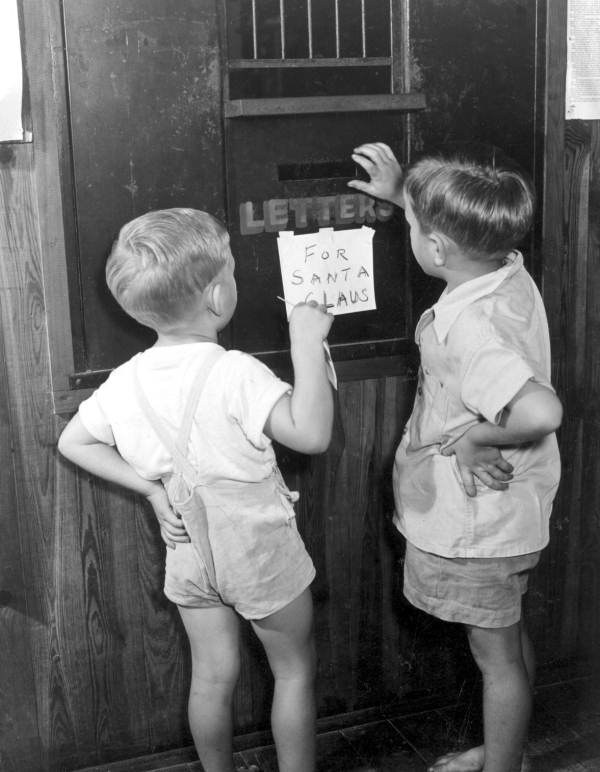
A letter to Santa is a writing lesson in disguise. Kids practice handwriting, sentence structure, and polite requests. Ask them to include one thing they are thankful for, and the letter becomes a gratitude exercise too.
Pair it with a Santa scavenger hunt. Hide clues around the house, each one a riddle or a small fact about holiday history. A simple format that works for mixed ages:
- Clue 1 (readers): "I hang on the door and hold a wreath. Find your next clue where guests wipe their feet." (Doormat)
- Clue 2 (pre-readers): Draw a picture of a stocking instead of writing the clue. Even a 4-year-old can follow a picture clue.
- Clue 3 (older kids): "Saint Nicholas was a bishop in this modern country. Find the clue where we keep the cold food." (Refrigerator, answer: Turkey/Myra, modern-day Turkey)
- Final clue: Leads to a small treat, a free printable coloring page, or a note that says "Call Santa tonight."
Kids read, solve, and move, all at once. The history facts sneak in because they are needed to solve the puzzle, not because you lectured about them.
For free printable pages, music, and games, visit christopherkringle.com. Everything there is free for parents, including calls with Santa, emails to Santa, trivia games, downloadable songs, YouTube videos, and coloring pages for younger kids.
Age-by-Age Guide: Educational Christmas Activities for All Ages
Age-by-age planning saves you from meltdowns and boredom. The same activity can delight a 5-year-old and bore a 10-year-old, so match the task to the stage.
| Age | Best Activity Type | Example | Time Needed |
|---|---|---|---|
| 3-5 | Sensory play | Candy cane water play, coloring pages | 15-20 min |
| 6-8 | Hands-on science | Candy cane experiment, salt crystals | 30 min |
| 9-10 | Building and math | Paper chain challenge, garland measuring | 30-45 min |
| 11-12 | Research and writing | Trace a tradition's origin, write a story | 45-60 min |
Older kids often resist "family" activities they think are babyish. Give them a role instead: let them run the experiment or read the history aloud. Ownership keeps them engaged.
Making Christmas Meaningful: Screen-Free and Sensory-Friendly Ideas
Screen-free activities and sensory-friendly options make the season work for every child. Some kids thrive in quiet, low-stimulation settings, and some need movement to stay calm. Most activity roundups skip this entirely, so this section is where your family can find the ideas that actually fit.
Screen-Free Ideas That Still Teach
Screen-free does not mean lesson-free. Each of these builds a real skill while keeping eyes off a tablet:
- Story night by candlelight (or a battery lantern): Read-aloud builds listening comprehension and vocabulary. Ask one "why do you think..." question after each chapter.
- Board games with a holiday theme: Turn-taking, counting, and strategy. A simple dice game teaches probability informally.
- Kitchen baking with safe tasks: Measuring cups teach fractions; stirring teaches sequencing. Assign a job per age, pouring for a 4-year-old, cracking eggs for a 7-year-old, reading the recipe for a 10-year-old.
- Nature walk to collect pinecones and evergreens: Sorting, counting, and classification. Bring a small bag and let kids group finds by size, color, or texture.
A realistic time estimate helps: most of these run 15-45 minutes, with baking on the longer end. Mess level is low for story night and nature walks, medium for baking. Supervision needed: high for baking and cutting, low for story night.
Sensory-Friendly and Accessibility Adaptations
Small changes open the fun to everyone. That is the whole point. Here are adaptations that work for sensory sensitivities, mobility needs, and communication differences:
- Swap scratchy tinsel for soft felt garland. Wool and metallic tinsel can feel prickly; felt is soft and quiet.
- Offer a quiet corner during parties. A pop-up tent, a beanbag in a hallway, or even a bathroom with the light dimmed gives a child a place to reset.
- Use unscented dough and skip strong candles. Artificial pine and cinnamon scents can overwhelm kids with scent sensitivities.
- Keep lights steady instead of flashing. A single warm strand beats a blinking multicolor display for most sensory-sensitive kids.
For a low-stimulation option that still feels festive, christopherkringle.com offers free downloadable music and printable coloring pages, quiet, screen-free, and ready in seconds. You can also set up a free call with Santa from a calm room at home, which removes the mall crowd entirely.
Conclusion: Creating Holiday Memories That Last
The season moves fast, and it is easy to let it slip by in a blur of shopping and screens. Pick two or three activities from this guide, put them on the calendar, and let the rest go.
At Christopher Kringle, our nine-book saga, music, and interactive games help families explore the true origins of Santa Claus and the real history behind the holiday.
Frequently Asked Questions
What are some educational Christmas activities for families?
Educational Christmas activities combine holiday fun with learning. Try a candy cane experiment to teach chemistry, build gingerbread houses to explore engineering and math, read Christmas history for kids to learn about traditions, or create an Advent calendar with daily facts. These activities build skills in science, math, history, and literacy while creating festive family memories.
How can I teach my children about the history of Christmas?
Start with stories about Saint Nicholas and how he became Santa Claus. Explore how traditions like Christmas trees, ornaments, and gift-giving began. Read books together about Christmas history for kids, watch educational videos, or visit ChristopherKringle.com for free interactive games and trivia that teach the real origins of Santa in an engaging way.
What are some screen-free Christmas activities families can do together?
Screen-free options include baking festive treats, making DIY ornaments from pinecones and tinsel, writing letters to Santa, creating a Santa scavenger hunt around the house, reading Christmas stories aloud, and building gingerbread houses. These hands-on activities encourage creativity, family bonding, and holiday memories without digital devices.
How can families make Christmas more meaningful?
Focus on giving, kindness, and shared experiences. Volunteer together, create handmade gifts, or start traditions like a kindness Advent calendar. Read Christmas history for kids to connect celebrations to their roots. ChristopherKringle.com offers free downloadable music, printable coloring pages, and games that promote generosity and family connection.